
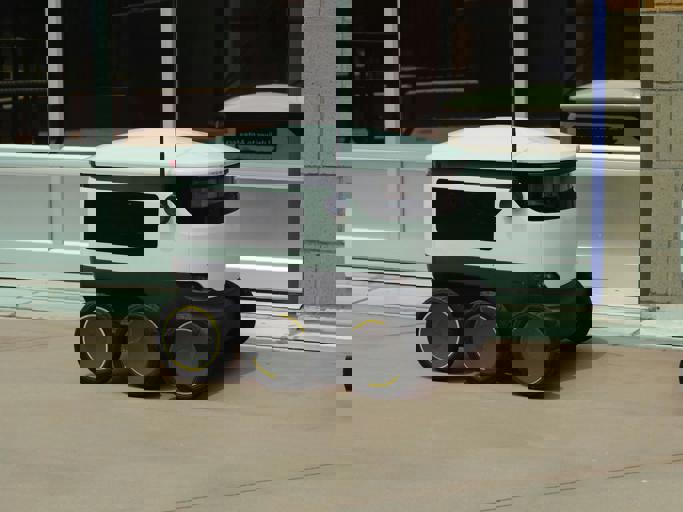
Next month, city streets are set to experience a technological transformation as a new fleet of delivery robots launches under a limited pilot program. Following months of discussion, the local government has approved the trial phase for these autonomous couriers, stirring anticipation and concern among residents and businesses alike. The initiative aims to assess how automated technology can enhance urban logistics while integrating safely into vibrant public spaces.
The delivery robots, resembling small coolers on wheels, are equipped with sensors and cameras to navigate busy sidewalks and avoid obstacles. Designed to carry food, groceries, and packages over short distances, these robots can operate independently using artificial intelligence. Companies behind the trial promise enhanced efficiency for last-mile deliveries, potentially reducing delivery times and vehicle congestion within city centres.
A statement from the city's Department of Transportation explains the rationale behind the decision. “With e-commerce booming and demand for on-demand delivery services at an all-time high, we must explore innovative solutions,” said spokesperson Rachel Cheng. She emphasized that this pilot provides an opportunity to test cutting-edge technology while observing its real-world impacts. Safety, accessibility, and adaptability are central metrics for the evaluation.
However, the rollout is not without controversy. Advocacy groups representing seniors and people with disabilities have raised concerns about the robots possibly impeding sidewalk accessibility. Emily Foster of Access Now noted, “Our sidewalks are already cluttered and challenging for wheelchair users. The arrival of delivery robots should not exacerbate these barriers.” City officials have pledged to gather community feedback during the pilot to address such issues responsibly.
In response to accessibility concerns, the city has set strict operational parameters for the robots. Approved routes will avoid narrow sidewalks, crowded zones, and major intersections wherever possible. Additionally, the program limits the number of robots operating simultaneously, and each unit must yield to pedestrians as a primary rule. The city will collect data on incidents and public complaints to refine future regulations.
Business owners, particularly in the food and retail sectors, are watching the pilot program closely. Some are optimistic about potential benefits such as faster delivery times and reduced operational costs. “Anything that helps us reach our customers more efficiently is worth considering,” said local restaurateur Devin Price. However, others worry about job displacement for human couriers and the possible technical glitches during peak hours.
Technology providers participating in the program believe that public acceptance will hinge on reliability and transparency. Companies like BotCourier have pledged to make robot paths and schedules publicly available, while also providing visible contact details on each robot for reporting issues. “We want the community to trust that safety and privacy are our priorities,” said BotCourier’s CEO, Stephanie Yoon, in a recent interview.
While safety is a prevailing concern, so too is data privacy. The robots rely on cameras and GPS navigation to do their jobs effectively. Privacy advocates, including groups such as Digital Rights Watch, are urging the city to ensure that data collected by these sensors is not misused and strictly regulated. Officials have stated that personal data recognition is disabled and that video is used solely for immediate navigational purposes.
Environmental considerations are another aspect driving the conversation. City planners hope that shifting some local deliveries from cars and vans to electric robots will reduce traffic congestion and lower carbon emissions. Early studies in other cities have shown modest decreases in vehicle-related pollution when similar technology was trialed, positioning the pilot as a potential step toward greener urban logistics.
As the launch date approaches, city staff plan to hold a series of public forums to give residents an opportunity to ask questions and voice concerns. These meetings, both virtual and in-person, will help officials gauge community sentiment and address misunderstandings directly. City councilor Priya Singh encourages citizens to participate: “Engaged communities are essential to shaping how new technologies serve the public interest,” Singh remarked.
If the pilot program proves successful, officials hope to gradually expand the scope, both geographically and in terms of the services offered. Lessons learned from this trial will inform more permanent regulations and could set a precedent for other cities nationwide. Balancing innovation with inclusivity and public trust remains the ultimate goal as delivery robots prepare to make their debut on city sidewalks.