
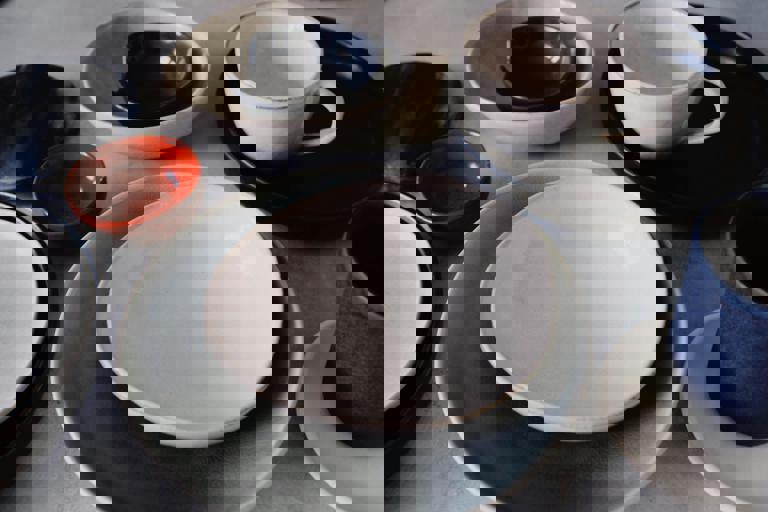
This autumn marks a new chapter in Canada’s culinary landscape as Indigenous pottery finds its way onto the tables of several celebrated restaurants. The groundbreaking initiative is spearheaded by renowned ceramics artist Willow Francis, whose Mi’kmaq heritage infuses her work with cultural significance. Her partnership with a coalition of local restaurants aims to seamlessly blend ancestral artistry with contemporary dining, offering guests an immersive cultural and sensory experience that extends far beyond the plate.
The collaboration represents a significant evolution in the way Canadian restaurants approach tableware. Rather than relying on generic, mass-produced ceramics, the participating establishments will debut a curated collection of hand-crafted pieces. Each bowl, plate, and cup is shaped using traditional techniques passed through generations, with motifs inspired by Mi’kmaq stories, nature, and community. "These designs reflect thousands of years of cultural practice and respect for the land," Francis explained in a recent interview.
Chefs and restaurateurs have praised the project not only for its aesthetic value but also for inviting patrons to engage more deeply with Indigenous tradition. “Our goal is to foster conversations about the origins of what we use and consume,” shared chef Angela Mills, one of the early adopters. Mills emphasized how the unique textures and forms inspire new plating approaches, encouraging creativity in modern Canadian cuisine while honoring the artistry of Indigenous makers.
This partnership comes at a time when there is an increasing appetite in the food industry for locally made, ethically sourced, and culturally resonant tableware. According to a 2022 survey by the Culinary Institute of Canada, 68% of diners expressed a preference for restaurants that support Indigenous artists and artisans. Incorporating such pottery responds not only to these consumer values but also to the broader movement for reconciliation and cultural recognition.
Creating each piece requires a meticulous, time-intensive process. Willow Francis and her team source local clay, sometimes collecting it in partnership with elders who perform traditional blessings. The shapes are carefully molded by hand and fired using centuries-old techniques. The final decoration involves hand-painted symbols, each with specific meaning. "When people dine with these pieces, they are literally touching a piece of living history,” Francis noted.
Restaurants participating in the program hope to spark greater awareness of Indigenous contributions to Canadian identity through this tactile dimension. “Every meal becomes a storytelling opportunity, connecting diners to the land and its first peoples,” said food historian Dr. Claire Benoit, who is advising the collaboration. She highlighted how such initiatives pave the way for a richer, more inclusive dining culture where the origins of objects and recipes matter.
Beyond aesthetics and symbolism, the project has meaningful economic implications. By integrating Indigenous ceramics into their tableware lineup, restaurants are helping to create steady demand for local artists and craft collectives. This commitment to fair compensation and long-term collaboration ensures that Indigenous artistry is not merely decorative but also sustainable. "It’s about building respectful partnerships and enduring economic opportunities," said project coordinator Alex Thomas.
As anticipation builds for the fall rollout, the excitement is palpable among both restaurateurs and the artist collective. Many diners are already asking when reservations will open for the first meals served on the new pottery. The initiative stands as a model for how food, art, and culture can work together to deepen understanding and appreciation. As Francis put it: “When heritage, craftsmanship, and modern life come together, everyone at the table is enriched.”